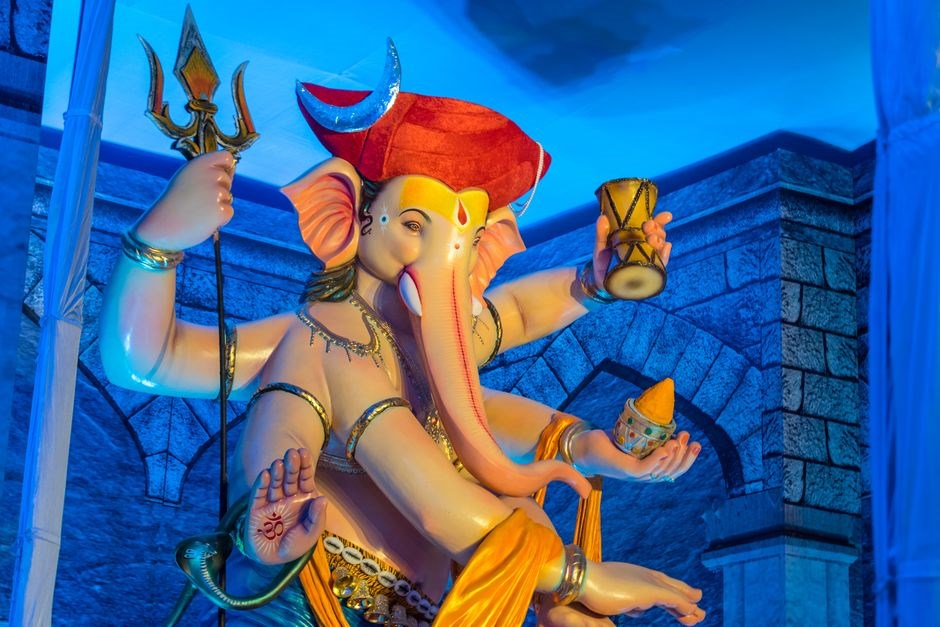
Vinayaka Chavithi, celebrated on the 8th lunar month, marks Lord Ganesha’s birth. Telugu devotees cherish the Katha, often shared in PDF form for study. The festival blends myth, rituals, and community prayers, inviting families to honor the elephant‑headed deity. devotees gather, sing hymns, modaks!!
Historical Context and Calendar Significance
Vinayaka Chavithi, rooted in the lunar calendar, aligns with the waxing phase of the bright fortnight in the month of Bhadrapada. Scholars trace the festival’s origins to the 12th‑century Telugu poet‑priest, Sri Venkata Satyanarayana, who codified the katha in regional manuscripts. The date is determined by the conjunction of the sun in the sign of Leo and the moon’s 15th day, a period traditionally associated with auspicious beginnings. In Telugu culture, this alignment is believed to amplify Ganesha’s blessings for new ventures. The festival’s timing is further reinforced by the agricultural cycle; the harvest season’s onset invites gratitude for divine guidance. Historical records from the Vijayanagara archives reveal that royal patronage in the 16th century institutionalized public processions, ensuring the katha’s widespread dissemination. Contemporary observances still rely on the lunisolar calculations performed by local pandits, who publish the precise dates in regional almanacs (panchangams). These texts, now digitized and available as PDF katha compilations, provide devotees with a reliable framework for ritual preparation and communal celebration. The calendar significance thus intertwines celestial mechanics, agrarian rhythms, and literary heritage, creating a holistic framework that sustains the festival’s relevance across centuries.
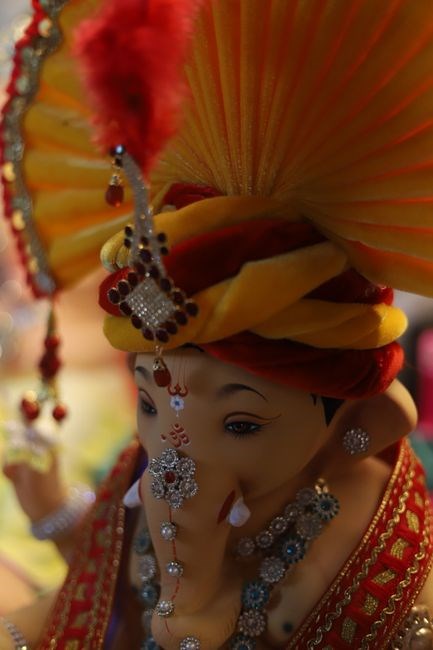
Devotees across the Telugu diaspora sharing PDFs that preserve oral traditions ensure the festival’s accessibility for future generations today!
These traditions continue to inspire new generations, fostering unity and cultural pride across communities worldwide for all hearts!!!
The Mythological Story (Katha) of Lord Ganesha
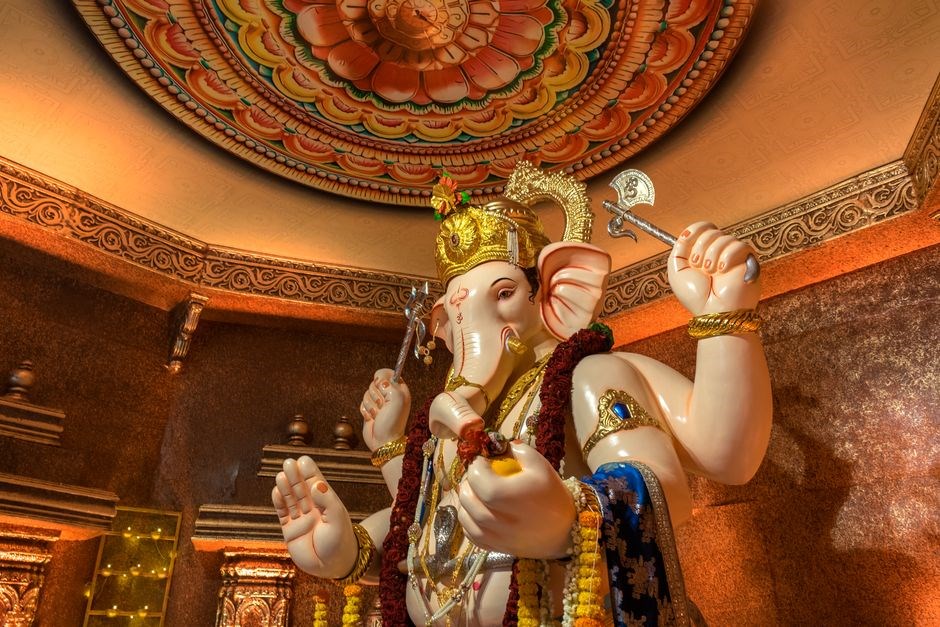
Ganesha’s birth tale, narrated in Telugu PDF, begins with Shiva’s creation of a child from sandalwood paste. He bestows a mouse mount, and when Parvati tests him, the elephant‑headed deity is severed. Shiva restores his head, granting his head, granting wisdom and the title of remover obstacles !!!
Key Episodes Highlighted in Telugu Narratives
Telugu renditions of the Ganesha Katha emphasize several pivotal moments that resonate with local devotees. First, the creation scene shows Shiva sculpting a boy from fragrant sandalwood paste, a detail that underscores the deity’s divine craftsmanship. Next, the episode of the mouse mount (chala) illustrates humility, as Ganesha accepts the smallest creature as his vehicle, a motif that appears in many regional poems. The most dramatic segment recounts Parvati’s test of devotion: she places a pot of curd on the altar and commands Ganesha to guard it. When the young god refuses, she strikes him, severing his head. The narrative then shifts to Shiva’s grief and the restoration of Ganesha’s head with an elephant’s head, symbolizing wisdom and the triumph of intellect over brute force. Finally, the story concludes with Ganesha’s coronation as the remover of obstacles, a theme that is echoed in the festival’s prayers and the daily puja rituals performed by families across Andhra Pradesh, Telangana, and the Telugu diaspora worldwide.
Rituals and Practices during Vinayaka Chavithi
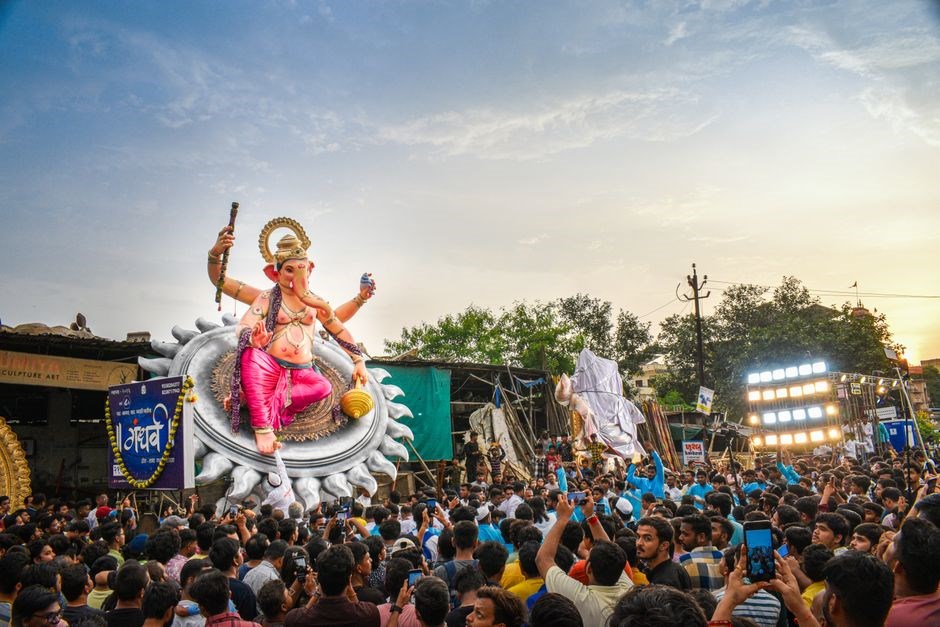
Devotees assemble early, offering modaks and coconut, chanting Vighnaharta Stotram. A clay idol is bathed in fragrant sandalwood paste, then adorned with jasmine garlands. The puja follows: lamp, flowers, incense, and a final immersion in a nearby water body devotees perform Agni Pradakshina, purify.
Preparation of Ganesha Idol and Puja Sequence
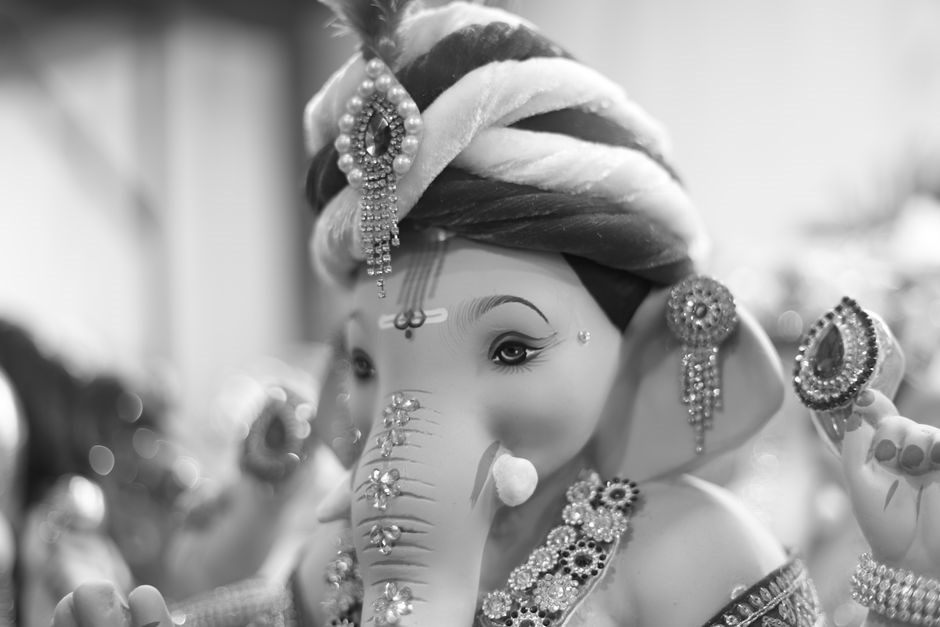
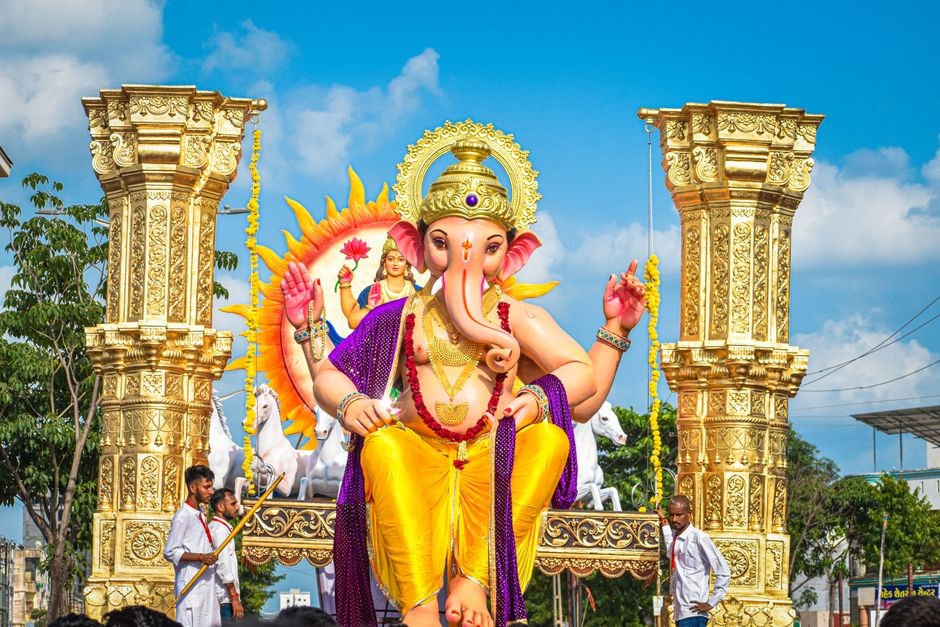
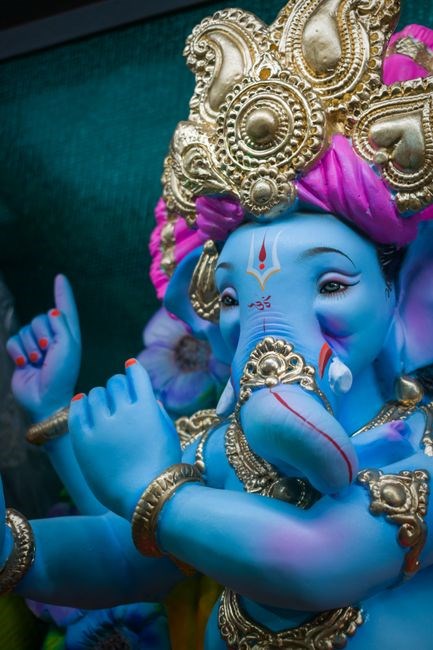
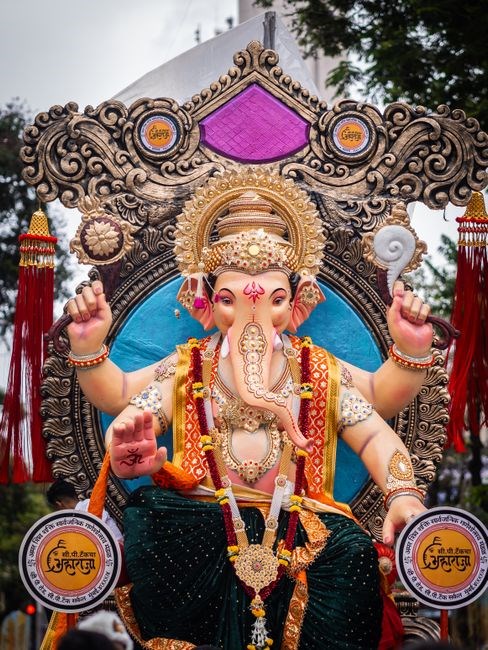
The preparation of the Ganesha idol begins with selecting a clay or wood base, ensuring it is free of cracks. Devotees wash the material in holy water, then apply a thin layer of turmeric paste to ward off negativity. Next, the idol is sculpted with careful attention to the symbolic features: the large ears, the trunk’s graceful curve, and the four arms holding the modak, the sweet, the axe, the rope, and the lotus. Once the form is complete, the idol is painted with vibrant colors—red for courage, green for prosperity, and gold for divine wisdom. A pot of milk is placed at the base, symbolizing purity. The puja sequence starts with the lighting of a diya, followed by the chanting of the Ganapati Atharvashirsha, and the offering of incense sticks. Aarti is performed with a circular fan, and devotees sing the “Ganesha Chalisa” in Telugu. The final act involves immersing the idol in a nearby river, accompanied by a communal chant of “Shree Ganeshaya Namaha.” Before the immersion, devotees perform a final ritual called “abhishekam,” pouring fragrant sandalwood paste over the idol, followed by a sprinkling of rice powder to symbolize prosperity. A bowl of milk is offered to the deity, and the fragrant scent of jasmine is released by tying garlands of fresh flowers around the idol’s neck. Families also prepare a special offering of modaks, the sweet dumplings made from rice flour and jaggery, and place them on a silver plate. The community gathers to share sweets songs.
Significance of Telugu Literature and Poetry on the Festival
Telugu literature celebrates Vinayaka Chavithi with poems, songs, and epic tales honoring Ganesha’s virtues. Poets Gurajada Apparao and Sri Sri weave devotion into modern verse, inspiring prayers and cultural identity. Verses echo in temple, binding generations all! for. in devotion. everywhere. for all.!!
Popular Telugu Poets and Their Ganesh Verses
In Telugu literary circles, the devotion to Lord Ganesha is immortalized by several celebrated poets whose verses are recited during Vinayaka Chavithi. The most revered among them is Gurajada Apparao, whose 19th‑century poems blend social reform with spiritual reverence, often invoking Ganesha’s wisdom to overcome obstacles. His famous stanza, “Ganesha‑mātra…”, is a staple in temple gatherings.
Another luminary, Sri Sri (Srirangam Srinivasa Rao), brought a modernist touch to Ganesh worship. His lyrical style, rich in metaphor, portrays Ganesha as the “bridge between the mortal and divine.” The poem “Ganesha Katha” is frequently chanted in schools and community halls, inspiring younger audiences to embrace faith with creativity.
Contemporary poet Vemulapalli Krishna Murthy has composed the “Ganesha Vakyam,” a collection of short verses that emphasize humility and perseverance. Murthy’s work is often included in devotional recitations, especially during the 10‑day Ganeshotsav.
These poets, through their distinct voices, have woven Ganesha’s legend into the cultural fabric of Telugu society. Their verses are not only literary treasures but also living prayers that guide devotees through the festival’s rituals and beyond. Devotees also share these verses in digital forums, ensuring the tradition thrives across generations. They recite it during puja, echoing festival’s spirit!
Traditional Foods Served during the Festival
Telugu households prepare an array of sweets for Vinayaka Chavithi. The star dish is the sweet modak, a coconut‑filled dumpling, followed by jaggery‑laden laddu and the fragrant kavadi. Items include spicy rice with pumpkin, tangy tamarind chutney, all offered to Ganesha sharing with family together and!?.
Special Sweets and Savory Dishes Unique to Telugu Culture
During Vinayaka Chavithi, Telugu families gather to create an elaborate array of sweets and savory items that honor Lord Ganesha. The centerpiece is the iconic modak, a soft, steamed dumpling filled with grated coconut, jaggery, and cardamom. Traditional variations include the sweet, fragrant “kuthir” modak, where the outer shell is lightly fried to give a golden crust, and the “kanda” modak, which incorporates a subtle hint of black pepper for a spicy twist. Another beloved sweet is the “ladu” made from besan (gram flour) and jaggery, shaped into small discs and glazed with a thin layer of sugar syrup, creating a glossy finish that glistens under festival lights. The “sankara” sweet, a deep‑fried dough ball soaked in saffron‑infused sugar water, is also a staple, symbolizing the divine sweetness of devotion. For those who prefer savory, the “kanda” rice is cooked with pumpkin, green chilies, and a pinch of turmeric, served alongside a tangy tamarind chutney that balances the flavors. The “bonda” fritters, made from mashed potatoes and spices, are deep‑fried to a crisp golden hue, offering a satisfying crunch. A unique dish, “pappu” (lentil soup), is seasoned with cumin, garlic, and a splash of lemon juice, providing a warm, comforting element to the feast. The “kanda” sweet, a mixture of jaggery and sesame seeds, is often offered as a symbolic gesture of gratitude. All these delicacies are arranged on a decorative platter, each item placed with care to reflect the reverence for Ganesha. The preparation process itself becomes a communal activity, with family members sharing stories and prayers while cooking. The aroma of cardamom, saffron, and freshly fried dough fills the home, creating an atmosphere of devotion and joy. By sharing these unique sweets and savory dishes, Telugu devotees not only celebrate the birth of Ganesha but also reinforce cultural identity and communal bonds, ensuring that the festival remains a vibrant, cherished tradition for generations to come. The festival also features a special sweet called “kanda puli”, a thin, crisp wafer rolled with a sweet coconut filling, often served with a side of fresh mango slices to provide a contrasting sweet‑tangy flavor. Families also prepare a traditional “kanda” stew made from mixed vegetables, lentils, and a blend of spices, which is simmered slowly to develop deep, earthy flavors. These dishes are not only delicious but also carry symbolic meanings: the sweetness of modak represents the sweetness of knowledge, while the savory bonda signifies the nourishment of the soul. The communal preparation and sharing of these foods strengthen family ties and foster a sense of belonging within the community, making Vinayaka Chavithi a truly inclusive celebration.
How to Access Vinayaka Chavithi Katha in PDF Format
Download the Telugu Katha from trusted sites like Example Library or Telangana State Portal. Use PDF readers, ensure safe links, and share responsibly. Enjoy reading Thanks!
Trusted Online Repositories and Library Resources
Numerous digital libraries and scholarly portals host the Vinayaka Chavithi Katha in Telugu, offering free PDF downloads for devotees and researchers alike. The National Library of India’s e‑library portal lists an extensive collection of regional devotional texts, including a dedicated section for Ganesha narratives. Similarly, the Andhra Pradesh State Archives provide digitized manuscripts from the 18th and 19th centuries, many of which have been transcribed into modern Telugu and made available as searchable PDFs. The Telangana State Library Network hosts an online repository where users can browse by deity, date, or regional dialect, and download high‑resolution scans of original manuscripts. For academic use, the Digital South Asia Library (DSAL) hosts a curated set of Ganesha katha PDFs, complete with metadata and citation details. The University of Hyderabad’s Department of Telugu offers a repository of theses and dissertations that reference the Vinayaka Chavithi Katha, many of which include PDF copies of primary sources. Additionally, the open‑access portal Hindawi hosts a collection of devotional literature, including the Vinayaka Chavithi Katha, which can be downloaded after a simple registration. Finally, the World Digital Library provides a global platform where users can access high‑quality scans of Telugu religious texts, including the Vinayaka Chavithi Katha, ensuring that the tradition remains accessible to a worldwide audience. and share responsibly.!
Health and Safety Considerations during Large Gatherings
During Vinayaka Chavithi, crowd control sanitation, emergency protocols are vital. Ensure spacing, hand‑washing stations, first‑aid kit. Coordinate with local authorities, limit crowd size, promote mask use to prevent disease spread.
Guidelines for Eco-Friendly Ganeshotsav Celebrations
Choose biodegradable clay or metal idols; avoid plastic; 2. Use natural dyes, not synthetic pigments. 3. Prepare food with local produce, use compostable plates. 4. Provide reusable water bottles, discourage single‑use cups. 5. Set up separate bins for paper, plastic, and organic waste. 6. Immersion only in natural water bodies; avoid polluted sites. 7. Use LED lights for evening processions to cut energy use. 8. Organize community clean‑up drives after the festival. 9. Educate devotees on waste segregation via pamphlets and social media. 10. Partner with NGOs for recycling, tree‑planting. 11. Encourage car‑pooling or public transport to reduce emissions. 12. Use solar panels for power needs during processions. 13. Promote “zero‑plastic” policy for all festival stalls. 14. Offer digital e‑cards instead of paper invitations. 15. Celebrate with a “green” puja, chanting mantras that honor nature. By adopting these practices, devotees honor Lord Ganesha while protecting the environment.
These eco‑friendly measures not only reduce waste but also reinforce the spiritual ethos of Ganeshotsav. By choosing natural materials, limiting single‑use items, and cleaning the surroundings, devotees echo Lord Ganesha’s role as the remover of obstacles—here, environmental obstacles. Community participation in recycling, tree‑planting, and digital invitations fosters unity and awareness, ensuring that the festival’s joy is shared responsibly and sustainably for generations to come. Let every act of care echo the divine mantra harmony !