The Bible Code Book PDF: A Comprehensive Exploration
The Bible Code Book PDF unveils hidden messages within the Hebrew Bible, as claimed by Michael Drosnin in his 1997 publication, sparking intense debate and fascination․
Discover ancient secrets and explore predictions of future events, all accessible through readily available PDF versions, including those dated 2022 and 2026․
The Bible Code, popularized by Michael Drosnin’s 1997 book, posits the existence of concealed messages embedded within the Hebrew text of the Bible․ This intriguing concept suggests that significant historical events, even those occurring millennia after the scriptures were written, were preordained and encoded within its letters․
Drosnin’s work brought this idea to a wider audience, claiming the discovery of predictions like the assassination of Yitzhak Rabin․ The core principle revolves around identifying equidistant letter sequences (ELS) – letters spaced at fixed intervals – that form meaningful words and phrases․ The book’s impact ignited both fervent belief and staunch skepticism, prompting extensive analysis and debate within religious, scientific, and popular culture circles․ The readily available PDF version allows for independent exploration of these claims․
This exploration delves into the methodology, predictions, and controversies surrounding this fascinating phenomenon․
Michael Drosnin and the 1997 Publication
Michael Drosnin, a science writer, catapulted The Bible Code into public consciousness with his 1997 publication by Simon & Schuster․ The book detailed his exploration of hidden messages within the ancient Hebrew text, utilizing computer analysis to uncover these alleged prophecies․ Drosnin claimed to have discovered predictions of future events, most notably the assassination of Israeli Prime Minister Yitzhak Rabin, which occurred shortly after the book’s initial release․
The publication sparked immediate controversy and intense scrutiny․ While Drosnin presented his findings as evidence of a divinely ordained code, critics questioned the methodology and statistical significance of his discoveries․ Despite the debate, the book became a bestseller, fueling widespread fascination with the concept of a coded Bible and prompting further research․ The PDF version continues to circulate widely․
Availability of the PDF Version (2022 & 2026)
The Bible Code Book PDF is readily accessible online through various platforms․ A version dated June 28, 2022, by user Abebe008, totaling 7159 KB, has garnered significant attention with 768 reads and 772 downloads, found on platforms like Telegram (t․me/BooksandYou)․ This indicates sustained interest in Drosnin’s work․
The continued availability, even with a projected update for 2026, demonstrates the enduring appeal of the book’s central premise․ Access is often facilitated through direct download links or embedded QR codes․ However, users should exercise caution regarding download sources to ensure file safety and authenticity․ The digital format ensures widespread dissemination of this controversial text․
The Core Claim: Hidden Messages in the Hebrew Bible
The Bible Code Book PDF centers on the provocative claim that the ancient Hebrew text of the Bible contains encoded messages, revealing events occurring millennia after its writing․ Michael Drosnin asserts these aren’t random occurrences, but deliberate prophecies embedded within the text’s structure․
Specifically, Drosnin alleges the code predicted the assassination of Yitzhak Rabin, the Israeli Prime Minister, with the word “assassin” appearing within the text․ This claim, and others, are based on the idea that equidistant letter sequences (ELS) reveal hidden narratives․ The book proposes a complex system of coded communication woven into the biblical narrative itself․
Understanding the Methodology
The Bible Code Book PDF utilizes a “crossword puzzle” layout of the Hebrew Bible, analyzing equidistant letter sequences (ELS) horizontally, vertically, and diagonally with computer assistance․
Equidistant Letter Sequences (ELS) Explained
Equidistant Letter Sequences (ELS) form the core of the methodology detailed in The Bible Code Book PDF․ This technique involves selecting a starting letter within the Hebrew text and then reading subsequent letters at fixed intervals – the “equidistance․”
For example, an ELS with an interval of 4 would read every fourth letter․ Drosnin and Rips proposed that meaningful words and phrases could be found by systematically testing various starting points and intervals․ The Hebrew text, devoid of vowels in its original form, allows for multiple potential readings;
This method, applied across the entire biblical text, purportedly reveals hidden messages relating to past, present, and future events․ The success of finding these sequences relies heavily on computational analysis due to the sheer volume of possibilities․
The “Crossword Puzzle” Layout of the Text
The Bible Code Book PDF details a crucial visualization technique: laying out the Hebrew biblical text in a grid resembling a crossword puzzle․ This isn’t a natural formatting of the text, but a method employed to facilitate the search for Equidistant Letter Sequences (ELS)․
By arranging the letters in a rectangular block, researchers can simultaneously examine horizontal, vertical, and diagonal letter sequences․ This grid allows for the identification of intersecting messages, adding another layer to the perceived complexity and significance of the code․
This visual representation, enabled by computer analysis, is fundamental to uncovering the hidden patterns and predictions claimed within the book․
Horizontal, Vertical, and Diagonal Readings
The Bible Code Book PDF emphasizes that coded messages aren’t confined to simple left-to-right reading․ The methodology involves extracting sequences of letters at fixed intervals – Equidistant Letter Sequences (ELS) – in multiple directions․
Researchers analyze the text horizontally, like traditional reading, but also vertically, from top to bottom, and diagonally, in both directions․ These intersecting readings are believed to reveal complex and interconnected prophecies․
The book highlights how these varied reading directions allow for multiple messages to be embedded within the same text, often crossing and reinforcing each other, creating a network of hidden information․
Computer-Assisted Analysis of the Bible
The Bible Code Book PDF details how manual analysis of the Hebrew Bible for hidden messages is impractical due to its length and complexity․ Therefore, computer-assisted analysis is crucial to the methodology․
The process involves laying out the biblical text in a grid-like format, resembling a crossword puzzle, allowing for systematic examination of Equidistant Letter Sequences (ELS)․ Specialized software searches for pre-defined keywords and phrases at specific intervals․
This computational approach enables researchers to identify patterns and correlations that would be impossible to detect through traditional reading, revealing the alleged coded prophecies within the ancient text․
Key Predictions and Controversies
The Bible Code Book PDF centers on predictions like the Yitzhak Rabin assassination, fueling debate about its validity and the mathematical basis proposed by Dr․ Rips․
The Yitzhak Rabin Assassination Prediction
The Bible Code Book PDF gained notoriety due to Drosnin’s claim of predicting the assassination of Israeli Prime Minister Yitzhak Rabin․ He asserted that the Hebrew text contained the coded message “assassin who will assassinate,” appearing before the tragic event in 1995․
This prediction became a focal point of both the book’s promotion and subsequent criticism․ Skeptics argue the finding was a result of selective interpretation and statistical probability, rather than genuine foresight․ Drosnin maintained the code’s accuracy, presenting it as evidence of a predetermined future revealed within the biblical text․ The controversy surrounding this prediction significantly impacted the public perception of the Bible Code and its potential implications․
Forecasting Historical Events Before They Occurred

The Bible Code Book PDF proposes that the ancient Hebrew text isn’t merely a religious document, but a repository of encoded prophecies․ Drosnin and others claim the code accurately predicted numerous historical events before they transpired, extending far beyond Rabin’s assassination․
These alleged predictions encompass events like the Holocaust, the Gulf War, and even specific disasters․ Proponents argue the code demonstrates a preordained timeline embedded within scripture․ However, critics contend these “predictions” are often vague, open to interpretation, or discovered after the events occurred, raising questions about genuine forecasting versus retrospective fitting of data․
Dr․ Eliyahu Rips and the Mathematical Basis
The Bible Code Book PDF highlights the work of Dr․ Eliyahu Rips, a mathematician whose research forms a core component of the code’s purported validity․ Rips, alongside Yoav Rosenberg, explored the statistical probability of finding meaningful equidistant letter sequences (ELS) within the Hebrew Bible․
Their studies aimed to establish a mathematical framework supporting the claim that the observed patterns weren’t simply random occurrences․ Rips’ work suggests the code isn’t based on mystical interpretation, but on demonstrable mathematical anomalies within the text’s structure․ However, these findings remain contentious, with skeptics questioning the methodology and statistical significance․
Analyzing the Code’s Content
The Bible Code Book PDF reveals messages spanning historical events, recurring themes, and alleged future predictions, discovered through complex analysis of equidistant letter sequences within the text․
Types of Messages Found Within the Code
The Bible Code Book PDF details a fascinating array of messages purportedly embedded within the Hebrew Bible’s text․ These aren’t simple prophecies, but complex patterns revealed through equidistant letter sequences (ELS)․ Drosnin’s work highlights predictions of historical events, like the assassination of Yitzhak Rabin, appearing years before they occurred․
The code allegedly contains references to future occurrences, alongside recurring themes and names․ These messages aren’t always straightforward narratives; the automated structure can appear disjointed, even containing linguistic inaccuracies․ The book explores how these coded messages are laid out horizontally, vertically, and diagonally, often intersecting, creating a complex “crossword puzzle” of hidden information․ The variety and depth of these discovered messages continue to fuel debate and intrigue․
Recurring Themes and Patterns

The Bible Code Book PDF reveals that certain themes and patterns consistently emerge when analyzing the equidistant letter sequences within the Hebrew Bible․ Names of significant historical figures, both past and present, repeatedly appear alongside events related to their lives․ Recurring references to catastrophic events, like wars and natural disasters, also feature prominently․
The code seems to fixate on themes of destruction and rebirth, hinting at cyclical patterns in history․ Mathematical analysis, as championed by Dr․ Eliyahu Rips, suggests these aren’t random occurrences․ While the narrative can be disjointed, the persistence of these themes fuels the belief in a deliberate, coded structure within the biblical text, prompting further exploration and debate․
The Code’s Alleged Predictions of Future Events
The Bible Code Book PDF posits that the Hebrew Bible contains predictions of future events, encoded within its text using equidistant letter sequences․ Michael Drosnin’s work specifically highlighted potential forecasts, sparking widespread interest and controversy․ The code allegedly anticipates global conflicts, technological advancements, and even specific dates of significant occurrences․
However, interpreting these predictions is subjective and prone to ambiguity․ Skeptics argue that the code’s apparent foresight stems from selective interpretation and statistical probability․ Despite criticism, proponents maintain that the recurring patterns and specific details within the code demonstrate a genuine predictive capability, offering a glimpse into the future․

Criticisms and Skepticism
The Bible Code Book PDF faces criticism regarding statistical probability, subjective interpretation, and linguistic inaccuracies within the decoded messages, raising doubts about its validity․
Statistical Probability and Randomness
The Bible Code Book PDF’s core claim hinges on finding meaningful patterns, but critics argue these are products of chance given the vastness of the biblical text․
With millions of letters, statistically significant sequences – even seemingly specific ones – are bound to appear randomly․ Skeptics demonstrate that comparable “codes” can be generated from any sufficiently long text, like the works of Tolstoy․
The sheer number of possible equidistant letter sequences (ELS) increases the likelihood of finding coincidental matches․ Therefore, the perceived predictive power of the code may be an illusion stemming from selective observation and confirmation bias, rather than genuine encoded prophecies․
Essentially, the argument centers on whether the discovered patterns exceed what would be expected by pure chance․
The Problem of Subjectivity in Interpretation
The Bible Code Book PDF relies heavily on interpreting the discovered equidistant letter sequences (ELS), a process inherently prone to subjectivity․ Different researchers can – and do – extract varying meanings from the same coded passages․
The automated narrative structure can appear disjointed, and linguistic inaccuracies are common, requiring significant interpretive leaps to connect the coded messages to real-world events․ This ambiguity allows for flexible interpretations, potentially fitting the code to pre-existing beliefs or desired outcomes․
Critics argue that the code’s “predictions” are often vague and require considerable post-hoc rationalization to align with actual occurrences, highlighting the role of subjective bias in the decoding process․
Linguistic Inaccuracies and Disjointed Narrative
The Bible Code Book PDF presents messages extracted from the Hebrew text, often exhibiting linguistic inconsistencies and a fragmented narrative flow․ The method of revealing messages through equidistant letter sequences frequently results in grammatically incomplete or awkward phrasing․
The automated nature of the code’s generation contributes to a disjointed structure, where seemingly unrelated words and phrases are juxtaposed․ This can lead to interpretations that feel forced or lack coherent meaning, requiring significant contextualization․
These inaccuracies and narrative gaps raise concerns about the validity of the code’s claims, suggesting that the perceived patterns may be artifacts of the decoding process rather than intentional messages․

The Bible Code and Religious Perspectives
The Bible Code Book PDF challenges traditional biblical interpretation, prompting debate about divine authorship versus human patterns, and theological implications of a pre-written future․
Interpretations from a Faith-Based Viewpoint
The Bible Code Book PDF elicits diverse faith-based interpretations, with some believing the code demonstrates God’s foreknowledge and intricate design woven into scripture․ Others view it as evidence of divine providence, suggesting God subtly revealed future events to humanity․
Conversely, some religious scholars caution against attributing predictive power to the code, emphasizing the dangers of interpreting scripture outside its historical and literary context․ They argue that focusing on hidden messages can detract from the Bible’s core spiritual teachings and potentially lead to misinterpretations․
Ultimately, faith-based perspectives on the code range from seeing it as a confirmation of religious belief to dismissing it as a fascinating but ultimately irrelevant phenomenon․
Challenges to Traditional Biblical Interpretation
The Bible Code Book PDF presents a significant challenge to traditional biblical interpretation by suggesting the text contains hidden layers of meaning beyond its literal and historical context․ This concept clashes with conventional hermeneutics, which prioritize authorial intent and original audience understanding․
The code’s reliance on equidistant letter sequences (ELS) and computer analysis introduces a novel, data-driven approach, potentially undermining established methods of textual criticism and theological analysis․ Some argue it risks reducing scripture to a complex cipher, neglecting its spiritual and ethical dimensions․
Furthermore, the subjective nature of code interpretation raises concerns about imposing pre-conceived notions onto the text, potentially distorting its intended message․
Theological Implications of a Coded Bible
The Bible Code Book PDF raises profound theological questions regarding divine authorship and the nature of prophecy․ If the Bible contains pre-encoded knowledge of future events, it challenges traditional understandings of free will and God’s relationship with time․
Some interpret the code as evidence of divine foresight and meticulous planning, reinforcing a deterministic worldview․ Others suggest it demonstrates God’s ability to transcend linear time, revealing events across history simultaneously․
However, the code also prompts debate about whether such hidden messages are consistent with a God who desires open communication and a genuine relationship with humanity, or if it implies a more cryptic and indirect form of revelation․

Resources and Further Exploration
The Bible Code Book PDF is available via online platforms like Telegram, alongside supplementary video lectures and related research for deeper understanding․
Explore online forums and communities to engage in discussions and discover additional publications related to this fascinating subject matter․
Where to Download The Bible Code Book PDF
Finding a copy of The Bible Code Book PDF requires navigating various online resources․ Currently, a version published in 1997 by Michael Drosnin is accessible through platforms like Telegram, specifically the channel “BooksandYou”․ This particular file, uploaded on June 28, 2022, is approximately 7159 KB in size and has garnered significant attention with 768 reads and 772 downloads․
Users should exercise caution and report any abusive content encountered․ While direct download links are provided, exploring alternative search engines and online libraries may yield additional PDF versions․ Remember to verify the source’s legitimacy before downloading to ensure a safe and reliable file․ Always be mindful of potential copyright restrictions when accessing and distributing digital content․
Supplementary Video Lectures
Enhance your understanding of The Bible Code Book PDF with complementary video lectures․ The textual material, while comprehensive, can benefit from visual and auditory explanations, particularly given the complex nature of equidistant letter sequences and the book’s automated narrative structure․
These lectures provide a more in-depth exploration of Dr․ Eliyahu Rips’ mathematical basis for the code and clarify potentially disjointed or linguistically inaccurate sections within the written text․ Seeking out these resources will offer a holistic learning experience, bridging gaps in comprehension and solidifying your grasp of the fascinating, yet controversial, concepts presented in Drosnin’s work․
Related Research and Publications
Delve deeper into the world of biblical code research beyond The Bible Code Book PDF․ Numerous publications and studies explore similar concepts, offering alternative perspectives and analyses of the Hebrew text’s hidden patterns․
Investigate the work of Dr․ Eliyahu Rips and other mathematicians who have contributed to this field․ Explore commentaries reacting to Drosnin’s claims, and seek out academic papers examining the statistical probability and linguistic validity of the code․ Further research will provide a broader context, allowing for a more informed evaluation of the book’s assertions and its lasting impact on code-breaking attempts․
Online Communities and Forums
Engage with fellow enthusiasts and researchers in vibrant online communities dedicated to The Bible Code Book PDF and related topics․ Numerous forums and discussion boards provide platforms for sharing interpretations, debating the code’s validity, and exploring new discoveries․
Connect with individuals passionate about deciphering hidden messages within the Hebrew Bible․ Share your own findings, ask questions, and participate in collaborative analyses․ These online spaces offer a valuable resource for expanding your understanding and staying abreast of the latest developments in this fascinating field of study, fostering a dynamic exchange of ideas․
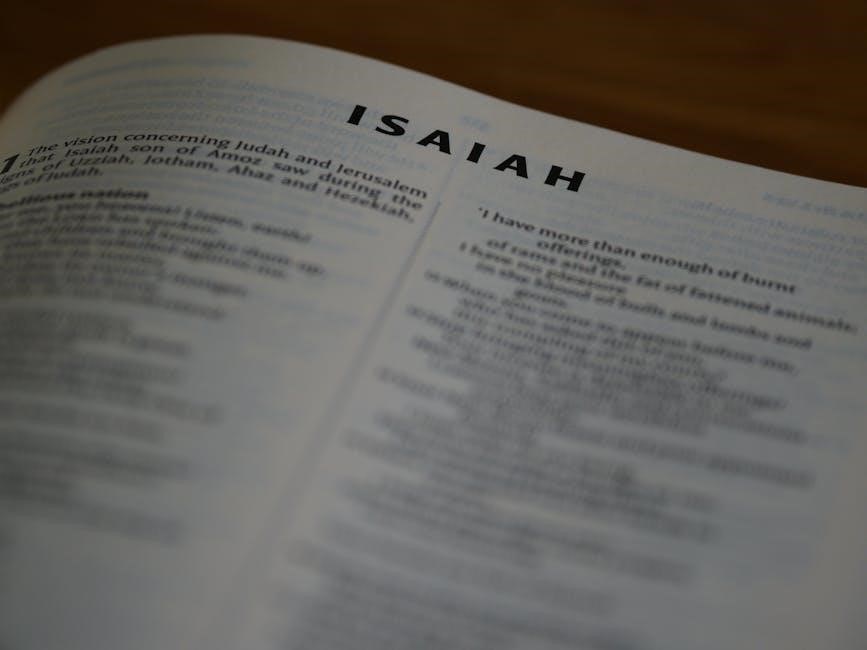
The Legacy of The Bible Code
The Bible Code Book PDF profoundly impacted popular culture, inspiring subsequent code-breaking attempts and fueling ongoing debate about its validity and implications․
Its influence continues to resonate, sparking discussion and captivating those intrigued by hidden messages within ancient texts․
Impact on Popular Culture
The Bible Code Book PDF, upon its 1997 release, rapidly permeated popular culture, transcending academic circles and capturing the public imagination․ The book’s sensational claims – predicting events like Yitzhak Rabin’s assassination – fueled widespread media coverage and sparked intense public discussion․
This fascination extended to film adaptations and numerous related publications, solidifying the “Bible Code” as a recognizable cultural phenomenon․ The concept infiltrated fictional narratives, appearing in novels and movies, often portraying the code as a powerful, mysterious force․
The book’s accessibility, particularly through the PDF format, further broadened its reach, allowing for easy dissemination and continued exploration of its controversial theories․ It became a touchstone for discussions about prophecy, faith, and the power of hidden knowledge․
Influence on Subsequent Code-Breaking Attempts
The Bible Code Book PDF ignited a surge in subsequent attempts to decipher hidden messages within religious texts and beyond․ Inspired by Drosnin’s methodology – utilizing equidistant letter sequences (ELS) and computer analysis – researchers and enthusiasts applied similar techniques to various texts․
These efforts extended beyond the Hebrew Bible, exploring the Quran, the Book of Mormon, and even secular literature for concealed patterns․ While many attempts yielded ambiguous or contested results, they demonstrated the enduring appeal of code-breaking as a means of uncovering hidden meaning․
The book’s influence also spurred the development of more sophisticated algorithms and analytical tools, aimed at refining the search for ELS and addressing criticisms regarding statistical probability and subjectivity․
Ongoing Debate and Discussion
The Bible Code Book PDF continues to fuel passionate debate and discussion, decades after its initial publication․ Skeptics challenge the validity of the code, citing statistical anomalies and the potential for subjective interpretation of results․ Proponents maintain the code’s significance, pointing to seemingly accurate predictions and the mathematical basis proposed by Dr․ Eliyahu Rips․
Online communities and forums remain active hubs for exploring the code, sharing discoveries, and refining analytical techniques․ The debate extends to theological implications, questioning traditional biblical interpretation and the nature of divine prophecy․
Despite criticisms, the book’s enduring popularity demonstrates a persistent human fascination with uncovering hidden knowledge and finding patterns within seemingly random data․